
Before Statehood
A History of Native Tallgrass Prairie:
Iowa's Forgotten Treasure
An ancient landscape shaped by glaciers, fire, wildlife, and generations of Indigenous stewardship.
Written by Sondra Wilson in 2020| Updated November 18, 2026
Before Iowa became a state, much of its landscape was covered by an extraordinary ecosystem: the North American tallgrass prairie.
Approximately 30 million acres of Iowa—more than 80 percent of the state's land area—were once prairie. Tall grasses, wildflowers, and an intricate network of deep roots supported a remarkable diversity of plants and animals while helping create the fertile soils for which Iowa would become famous.[1] [7]
But these lands were not uninhabited wilderness.
For thousands of years, Indigenous peoples lived throughout the region, developing relationships with the land and its ecosystems. The Ioway, Sauk, Meskwaki, Dakota, and other Indigenous nations hunted, gathered, cultivated crops, established communities, and managed natural resources.[2]
Among the land-management practices employed by Indigenous peoples of the prairie regions was the deliberate use of fire to maintain grasslands, influence vegetation, support wildlife, and improve travel routes.[3]
The prairie landscape that European-American settlers encountered was therefore shaped by both natural processes and generations of Indigenous stewardship.
Today, less than 0.1 percent of Iowa's original prairie remains in relatively undisturbed remnants.[4] Understanding what was lost—and how these ecosystems functioned—helps explain both Iowa's environmental history and the importance of prairie restoration.
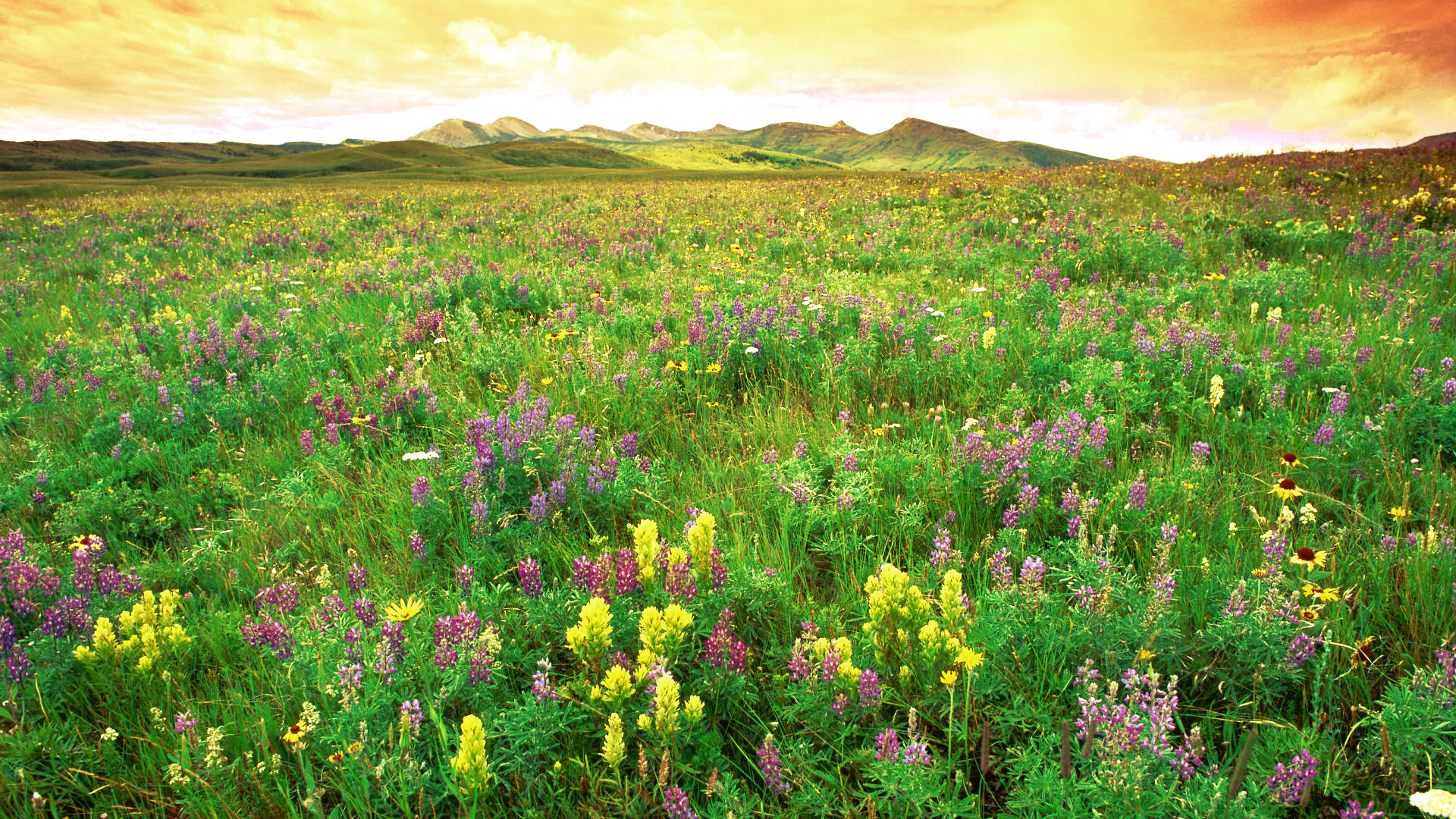
Above photo from 7 Themes utilized according to Fair Use.
North America's Three Prairie Ecosystems
North America's Great Plains and prairie regions historically supported three broad grassland types, influenced by differences in rainfall, soil, temperature, and grazing:[5]
— Shortgrass prairie: Predominantly found in the drier western Great Plains.
— Mixed-grass prairie: A transitional region containing both shortgrass and taller grass species.
— Tallgrass prairie: Found primarily in the wetter eastern prairie region, including most of Iowa.[6]
These ecosystems were interconnected, but each supported different plant communities and wildlife adapted to local environmental conditions. [7]
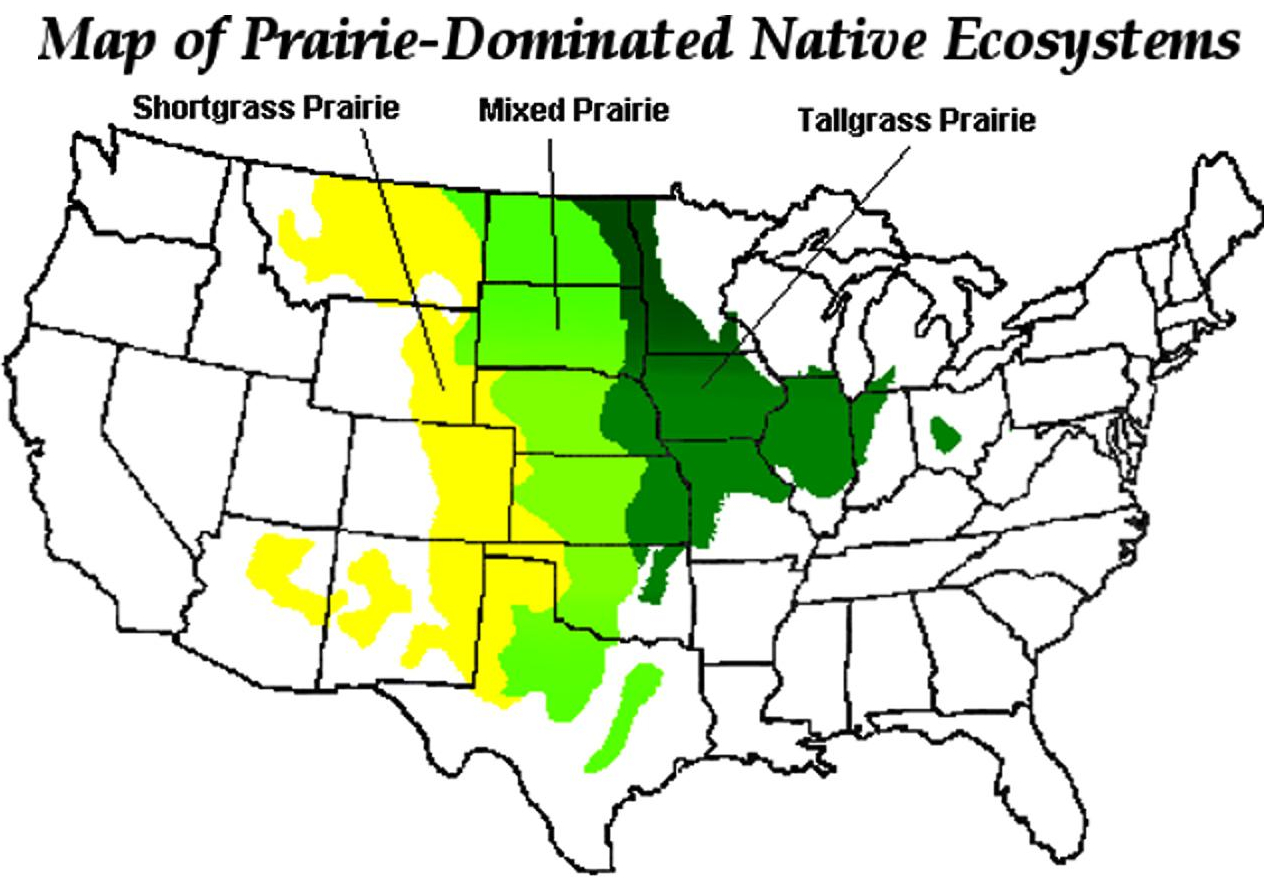
Above map from Midwestern Regional Climate Change utilized according to Fair Use.
The Remarkable Ecology of Tallgrass Prairie
— Tallgrass prairie supports exceptional biological diversity. Even relatively small, high-quality prairie remnants can contain more than 100 plant species.[8]
— Characteristic grasses include big bluestem, little bluestem, Indiangrass, and switchgrass.[9]
— Some tallgrass species can grow six to eight feet tall under favorable conditions, with occasional plants reaching even greater heights.[9]
— Much of a prairie plant's biomass is underground. Deep root systems help plants survive drought, absorb nutrients, and stabilize the soil.[9]
— Prairie root growth and decomposition contribute organic matter to the soil, helping form the dark, fertile soils that support much of Iowa's agriculture.[9]
— Historically, grazing animals such as bison and elk helped shape prairie ecosystems by influencing vegetation growth, nutrient cycling, and habitat diversity.[10]
— Prairies provide essential habitat for native bees, butterflies, grassland birds, and many other species.[11]
The biological richness of the tallgrass prairie developed through interactions among climate, soil, plants, grazing animals, fire, and human land management over thousands of years.[9][10]

Above graphic from Tabletop Whale utilized respectfully according to Fair Use.
How Iowa's Prairie Landscape Developed
During the Ice Ages, massive glaciers repeatedly advanced across portions of the Midwest, reshaping the landscape and depositing sediments. Glacial activity also produced fine particles that were transported by wind and deposited across the region. These processes contributed to the development of Iowa's rich soils.[12]
As the climate changed following the retreat of the glaciers, grassland ecosystems expanded across much of the region. Over thousands of years, prairie vegetation became established where temperature, precipitation, soil conditions, and recurring fire favored grasses and wildflowers over forests.[13]
Fire played a particularly important role. Lightning-ignited fires and deliberate burning by Indigenous peoples helped maintain open grasslands, recycle nutrients, and limit the spread of woody vegetation in many prairie areas.[14]
The result was a vast and biologically diverse landscape that would later become the foundation of Iowa's agricultural economy.
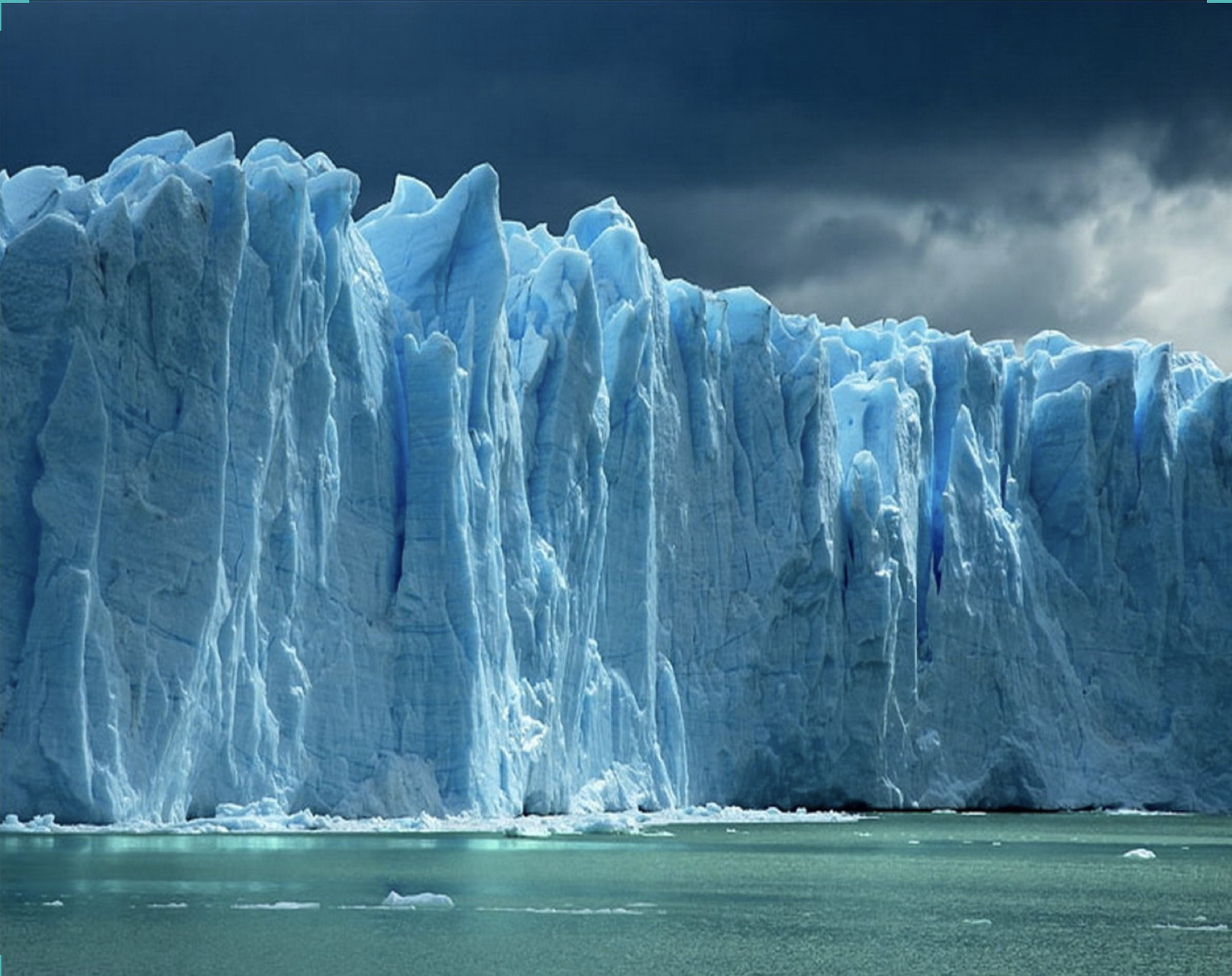
Above photo from Desktop Wallpapers utilized respectfully in accordance with Fair Use.
A Lasting Legacy of the Ice Age:
Minnesota's 10,000 Lakes
The glaciers that reshaped Iowa also transformed neighboring Minnesota. As enormous ice sheets advanced and retreated, they carved depressions, deposited sediment, and altered drainage patterns. Water subsequently filled many of these depressions, creating thousands of lakes that remain among Minnesota's most recognizable natural features.[15]
Ever wonder why the Los Angeles Lakers are called the Lakers when Los Angeles isn't particularly known for its lakes?
The basketball team was originally based in Minneapolis, Minnesota—the "Land of 10,000 Lakes." When the franchise relocated to Los Angeles in 1960, it kept its original name.[16]
So one of the most recognizable names in professional basketball has a connection to the geological history of the Upper Midwest.
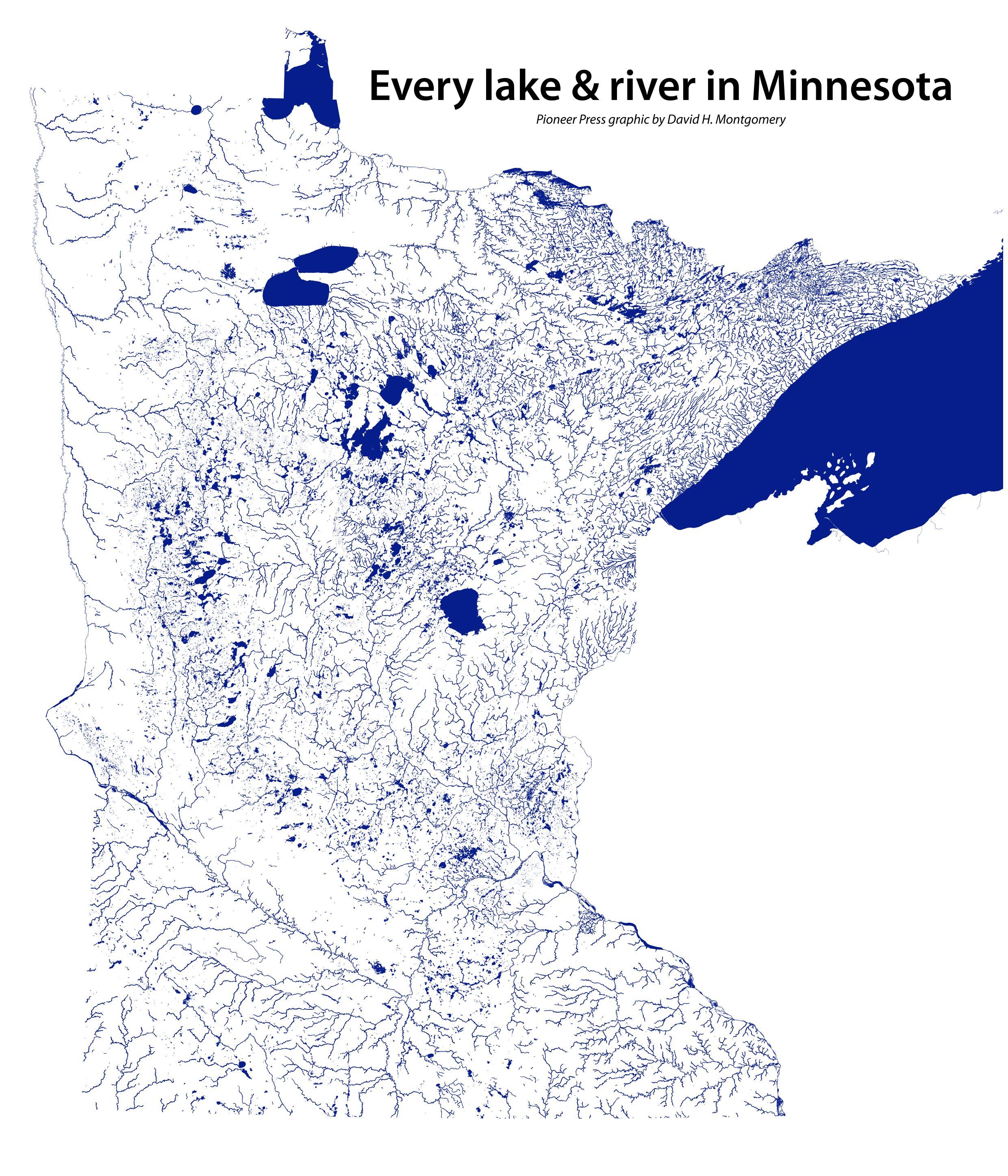
Above map from Twin Cities Pioneer Press utilized respectfully in accordance with Fair Use.
Fire: The Force That Sustains the Prairie
Although glaciers and climate helped establish the conditions in which Iowa's prairie developed, another powerful force helped maintain it for thousands of years: fire.
Prairie fires occurred naturally through lightning strikes, but Indigenous peoples also deliberately burned grasslands to manage vegetation and wildlife. Together, these recurring fires helped sustain the open landscapes characteristic of the tallgrass prairie.[17]
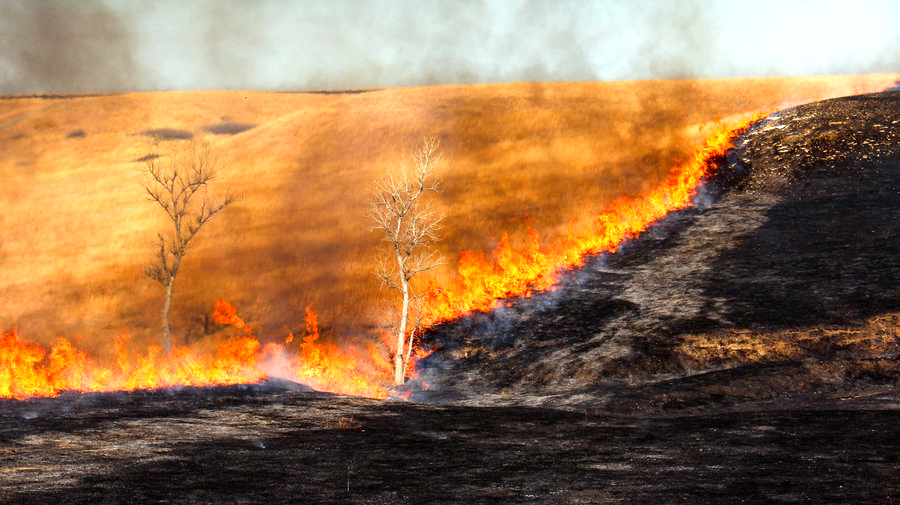
Above photo by Dan Charles utilized respectfully in accordance with Fair Use.
How Fire Benefits the Prairie
— Stimulates new growth: Fire removes accumulated dead grasses and plant material, allowing sunlight to reach the soil and encouraging fresh vegetation to emerge.
— Recycles nutrients: Burning converts some nutrients stored in dead vegetation into ash, returning minerals to the soil, although other nutrients may be lost through combustion.
— Maintains open grasslands: Regular fires help suppress the spread of trees and shrubs that might otherwise gradually replace prairie vegetation.
— Supports plant diversity: By altering growing conditions and limiting woody vegetation, fire can help maintain the variety of grasses and wildflowers characteristic of healthy prairies.
— Interacts with grazing: Recently burned areas often attract grazing animals seeking nutritious new growth, creating differences in vegetation height and habitat across the landscape.[18]
Many native prairie grasses are particularly well adapted to recurring fire. Their growing points are often located at or below the soil surface, where they receive some protection from flames. Nevertheless, unusually severe or poorly timed fires can damage vegetation, and different prairie species respond differently to burning.[19]
Today, conservation organizations, land managers, and ranchers use carefully planned prescribed burns to restore and maintain prairie ecosystems, often in combination with grazing and other management practices.[18]

Above photo from ABC News utilized respectfully in accordance with Fair Use.
Indigenous Peoples and Prairie Fire Management
Long before European-American settlement, Indigenous peoples throughout North America used intentional burning as a means of managing landscapes and natural resources.
Across prairie regions, carefully timed fires encouraged the growth of fresh vegetation, influenced the movement and distribution of grazing animals, improved travel routes, and helped maintain open grasslands.[20]
In some areas, burning was conducted during the spring to remove dead vegetation and promote new growth. In other places, fires were set during different seasons to support hunting, manage plant communities, or accomplish other ecological and cultural purposes.
These practices varied among Indigenous nations and environments. They were not governed by a single universal burning schedule, but reflected generations of experience and knowledge concerning local landscapes.[20]
The widespread use of fire also challenges the idea that North America's prairies were entirely untouched wilderness before European-American settlement.
These landscapes were shaped not only by climate, lightning, and grazing animals, but also by human stewardship.
Modern conservation practices increasingly recognize the importance of Indigenous ecological knowledge, including cultural burning, in understanding and restoring fire-adapted ecosystems.[21]
 Above painting: “The Grass Fire” by Frederic Remington (1908)
The Devastating Loss of Iowa's Native Prairie
Before widespread European-American settlement, approximately 30 million acres of Iowa were covered by prairie. Over the following generations, most of this landscape was transformed into agricultural land, roads, towns, and cities.
Today, less than 0.1 percent of Iowa's original prairie remains as relatively undisturbed remnants, making it one of the state's rarest surviving natural ecosystems.[22]
The disappearance of Iowa's native prairie resulted primarily from the conversion of grasslands into agricultural fields and pastures, with additional losses caused by urban development, transportation infrastructure, and other changes in land use.
The ecological consequences have been profound.
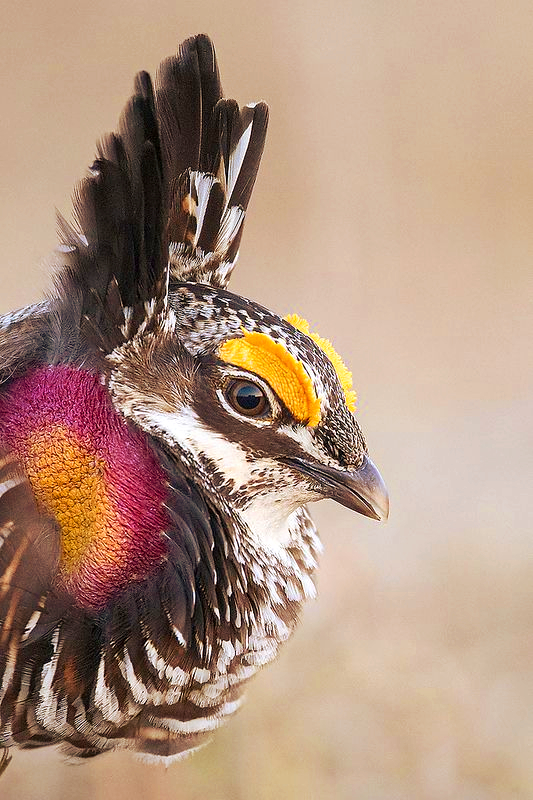
Prairie destruction and fragmentation have reduced habitat for grassland birds, native pollinators, and countless other species. The greater prairie-chicken, once widespread across Iowa's grasslands, is among the birds whose historic range and abundance have been severely reduced by habitat loss.[23]
The loss of original prairie also means the disappearance of complex native plant communities and ecological relationships that developed over thousands of years.
Although prairie reconstruction cannot fully reproduce every characteristic of an ancient, undisturbed ecosystem, restoration projects can recover native vegetation, provide wildlife habitat, improve soil and water conditions, and reconnect portions of the landscape.[24]
Protecting the remnants that survive—and restoring prairie wherever possible—remains an important part of preserving Iowa's natural heritage.
Prairie Restoration:
Organizations and Resources
Across Iowa, conservation organizations, research institutions, landowners, and volunteers are working to protect surviving prairie remnants and reconstruct native grassland ecosystems.
These efforts help preserve Iowa's natural heritage while restoring habitat for native plants, pollinators, birds, and other wildlife.
The following organizations provide educational resources, conservation opportunities, restoration guidance, and opportunities to participate in prairie preservation.
Iowa Prairie Conservation and Restoration
— Iowa Prairie Network — Prairie protection, education, and volunteer conservation throughout Iowa.
— Tallgrass Prairie Center — University of Northern Iowa — Native seed research, prairie reconstruction, roadside vegetation, and educational resources.
— Neal Smith National Wildlife Refuge — Large-scale restoration of tallgrass prairie and oak savanna near Prairie City, Iowa.
— Friends of Neal Smith National Wildlife Refuge — Conservation education, volunteer activities, and refuge support.
— Iowa Natural Heritage Foundation — Land conservation, ecological restoration, and permanent habitat protection.
— Grinnell College Center for Prairie Studies — Prairie ecology, research, sustainability, and environmental education.
— Prairie Rivers of Iowa — Watershed restoration, pollinator conservation, and community environmental projects.
— The Nature Conservancy in Iowa — Prairie conservation and landscape-scale habitat restoration.
For Landowners Interested in Prairie Restoration
Iowa State University Extension provides practical information on site preparation, native seed selection, planting, prescribed fire, and long-term prairie management.
Read Iowa State University's Prairie Restoration Guide
Iowa's Landscape Before Statehood:
What Came Next?
For thousands of years, the lands that would become Iowa supported extraordinary prairie ecosystems and the Indigenous nations whose lives, cultures, and communities were connected to them.
But the transformation of Iowa's landscape was not simply an ecological process.
During the nineteenth century, American territorial expansion, disputed treaties, military campaigns, and forced land cessions dramatically changed who controlled these lands and how they would be used.
One of the most consequential events was the Black Hawk War of 1832, which culminated in the killing of hundreds of Native people, including at the Battle of Bad Axe. The conflict was followed by the September 1832 treaty commonly known as the Black Hawk Purchase, through which the United States obtained a large portion of eastern Iowa. [25]
The conflict helped accelerate American settlement and set the stage for the establishment of Iowa Territory in 1838 and eventual statehood in 1846.
Understanding how Iowa became a state requires examining not only the government its founders established, but also the history of the land and peoples who were here before them.
Continue Reading: The Black Hawk War and the Taking of Indigenous Lands
The next chapter examines the disputed treaties, Black Hawk and Keokuk, the military pursuit through Illinois and Wisconsin, the massacre at Bad Axe, and the forced land cessions that helped open eastern Iowa to American settlement.
Endnotes:
[1] Iowa State University Extension and Outreach, Prairie Restoration — Habitat Headquarters, documenting approximately 30 million acres of historic Iowa prairie and its ecological diversity. See also University of Iowa Press, Restoring the Tallgrass Prairie, describing the development of Iowa's prairie soils.
https://naturalresources.extension.iastate.edu/encyclopedia/prairie-restoration-habitat-headquarters
https://uipress.uiowa.edu/books/restoring-tallgrass-prairie
[2] State Historical Society of Iowa, Iowa History Course, Unit 1: Native Iowa, documenting the Indigenous nations historically associated with Iowa. See also University of Iowa Libraries, Indigenous Peoples of Iowa: Converging Histories and Cultures, discussing Indigenous settlement and lifeways.
https://www.lib.uiowa.edu/exhibits/previous/iowaindians/
[3] National Park Service, Indigenous Fire Practices Shape Our Land, describing intentional cultural burning and its role in maintaining vegetation, supporting wildlife, and managing landscapes. See also National Park Service, American Indian Culture, Tallgrass Prairie National Preserve, discussing Indigenous fire use throughout the Great Plains.
https://www.nps.gov/subjects/fire/indigenous-fire-practices-shape-our-land.htm
https://www.nps.gov/tapr/learn/historyculture/american-indian-culture.htm
[4] Iowa Prairie Network, Find a Prairie, estimating that less than 0.1 percent of Iowa's original prairie remains. See also The Nature Conservancy, Sioux City Prairie, documenting the historic extent and subsequent loss of Iowa's native prairie.
https://www.iowaprairienetwork.org/find-a-prairie
https://www.nature.org/en-us/get-involved/how-to-help/places-we-protect/sioux-city-prairie/
[5] National Park Service, About Prairies, Mississippi National River and Recreation Area. Describes the three major prairie types—shortgrass, mixed-grass, and tallgrass—and their distribution along the west-to-east precipitation gradient.
https://www.nps.gov/miss/learn/nature/prairestabou.htm
[6] U.S. Geological Survey, An Introduction to North American Grasslands and the Practices Used to Manage Grasslands and Grassland Birds, Professional Paper 1842-A (2019). Discusses the geographic distribution of North American grasslands, precipitation patterns, vegetation, and ecological characteristics.
https://pubs.usgs.gov/pp/1842/a/pp1842a.pdf
[7] Iowa Natural Heritage Foundation, Prairie Perspectives (May 22, 2023). Discusses the approximately 30 million acres of prairie that historically covered Iowa and the small percentage of original prairie remaining.
https://www.inhf.org/about-us/blog/2023/05/22/prairie-perspectives
[8] USDA Forest Service, Midewin National Tallgrass Prairie — Final Environmental Impact Statement, Chapter 3. Documents the exceptional plant diversity of prairie remnants, including sites as small as five acres supporting more than 100 plant species. See also University of Northern Iowa research documenting species richness across hundreds of prairie remnants.
https://www.fs.usda.gov/media/251270
https://scholarworks.uni.edu/facpub/6837/
[9] National Park Service, Tallgrass Prairie National Preserve Quick Facts and Flint Hills Tallgrasses. Identifies the four dominant tallgrass prairie grasses and discusses their height, extensive root systems, drought tolerance, soil ecology, and underground biomass.
https://www.nps.gov/articles/000/tallgrass-prairie-national-preserve-quick-facts.htm
https://www.nps.gov/articles/000/flint-hills-tallgrasses.htm
[10] U.S. Geological Survey, Grassland Management Priorities for the North Central Region (2025), Scientific Investigations Report 2025–5018–A. Explains how historical grazing by bison and elk interacted with fire to influence grassland vegetation and habitat diversity. See also National Park Service, Fire and Grazing in the Prairie.
https://pubs.usgs.gov/sir/2025/5018/A/
https://www.nps.gov/tapr/learn/nature/fire-and-grazing-in-the-prairie.htm
[11] U.S. Fish and Wildlife Service, Restoring Tallgrass Prairie at Neal Smith National Wildlife Refuge. Documents prairie restoration, wildlife habitat, and the recovery of grassland bird populations. See also U.S. Geological Survey, Ecosystems We Study: Grasslands, discussing the diversity of wildlife dependent on North American grasslands.
https://www.fws.gov/project/restoring-tallgrass-prairie-neal-smith-refuge
https://www.usgs.gov/programs/land-management-research-program/science/ecosystems-we-study-grasslands
[12] Iowa Geological Survey, University of Iowa, Landforms of Iowa. Explains how repeated glaciations, glacial deposits, erosion, and windblown sediments shaped Iowa's landscape. See also U.S. Geological Survey, Geology of the Loess Hills, Iowa, describing the formation of windblown glacial sediments.
https://iowageologicalsurvey.uiowa.edu/iowa-geology/landforms-iowa
https://pubs.usgs.gov/info/loess/
[13] Chumbley, C. A., R. G. Baker, and E. A. Bettis III, Midwestern Holocene Paleoenvironments Revealed by Floodplain Deposits in Northeastern Iowa, Science 249, no. 4966 (1990): 272–274. Documents changes in vegetation and the expansion of prairie ecosystems in response to postglacial climatic conditions.
https://pubs.usgs.gov/publication/70016176
[14] National Park Service, Fire Regime, Tallgrass Prairie National Preserve; and American Indian Culture, Tallgrass Prairie National Preserve. Discusses the ecological role of recurring fires, Indigenous burning practices, and the influence of fire on grassland vegetation and woody plant encroachment.
https://www.nps.gov/tapr/learn/nature/fire-regime.htm
https://www.nps.gov/tapr/learn/historyculture/american-indian-culture.htm
[15] Minnesota Department of Natural Resources, Regional Context: Lakes. Explains how glaciation shaped Minnesota's landscape and contributed to the formation of its numerous lakes.
https://www.dnr.state.mn.us/rys/st/lakes.html
[16] Los Angeles Lakers, Season Capsule, official team history; see also Minneapolis Tourism, History of Sports in Minneapolis, documenting the franchise's move in 1960.
https://www.nba.com/lakers/history/season-capsule
https://www.minneapolis.org/sports-minneapolis/about-us/history-of-sports-in-minneapolis/
[17] National Park Service, Fire Regime, Tallgrass Prairie National Preserve. Explains the importance of recurring fire in the development and maintenance of tallgrass prairie, including naturally occurring fires and intentional burning.
https://www.nps.gov/tapr/learn/nature/fire-regime.htm
[18] National Park Service, Fire and Grazing in the Prairie, Tallgrass Prairie National Preserve. Discusses how burning removes accumulated vegetation, stimulates new growth, and interacts with grazing to maintain prairie ecosystems. See also Patch-Burn Grazing.
https://www.nps.gov/tapr/learn/nature/fire-and-grazing-in-the-prairie.htm
https://www.nps.gov/articles/000/patch-burn-grazing.htm
[19] National Park Service, Tallgrass Prairie National Preserve Quick Facts. Explains the adaptation of native prairie grasses to recurring fire, including the protection afforded by growing points at or beneath the soil surface.
https://www.nps.gov/articles/000/tallgrass-prairie-national-preserve-quick-facts.htm
[20] National Park Service, American Indian Culture, Tallgrass Prairie National Preserve; and Indigenous Fire Practices Shape Our Land. Documents Indigenous land management through intentional burning, including its ecological and cultural purposes.
https://www.nps.gov/tapr/learn/historyculture/american-indian-culture.htm
https://www.nps.gov/subjects/fire/indigenous-fire-practices-shape-our-land.htm
[21] National Park Service, Indigenous Fire Practices Shape Our Land. Discusses cultural burning, Indigenous ecological knowledge, and modern efforts to restore traditional fire-management practices.
https://www.nps.gov/subjects/fire/indigenous-fire-practices-shape-our-land.htm
[22] Iowa Natural Heritage Foundation, Remnant Prairie: A Closer Look at Iowa's Rarest Landscape (August 24, 2017). Documents the loss of Iowa's original prairie and the survival of less than 0.1 percent in scattered remnants.
[23] U.S. Fish and Wildlife Service, Northern Tallgrass Prairie National Wildlife Refuge — Species. Describes the greater prairie-chicken's historical abundance and decline following the widespread loss of native grassland habitat.
https://www.fws.gov/refuge/northern-tallgrass-prairie/species
[24] U.S. Fish and Wildlife Service, Restoring Tallgrass Prairie at Neal Smith Refuge. Documents large-scale prairie and oak savanna reconstruction in Iowa, including the restoration of native plant communities and wildlife habitat.
https://www.fws.gov/project/restoring-tallgrass-prairie-neal-smith-refuge
[25] Iowa PBS, Black Hawk Treaty, documenting the September 21, 1832 treaty and the resulting land cession in eastern Iowa. See also University of Iowa Libraries, The Biographical Dictionary of Iowa, biography of Black Hawk, discussing the 1832 war, the pursuit through Illinois and Wisconsin, and its conclusion at Bad Axe.
https://www.iowapbs.org/iowapathways/artifact/2053/black-hawk-treaty