Trail Trimmers™
Sprucing Up Iowa's Outdoors Economy
Attracting Tourism to Iowa, and Making Weekends a Lot More Fun
by Sondra Wilson. Updated September 25, 2025.
Beautifying Iowa’s Outdoor Infrastructure to Boost Mental Health, Tourism, and Local Pride
Have you ever gone kayaking in Iowa and seen something like this?
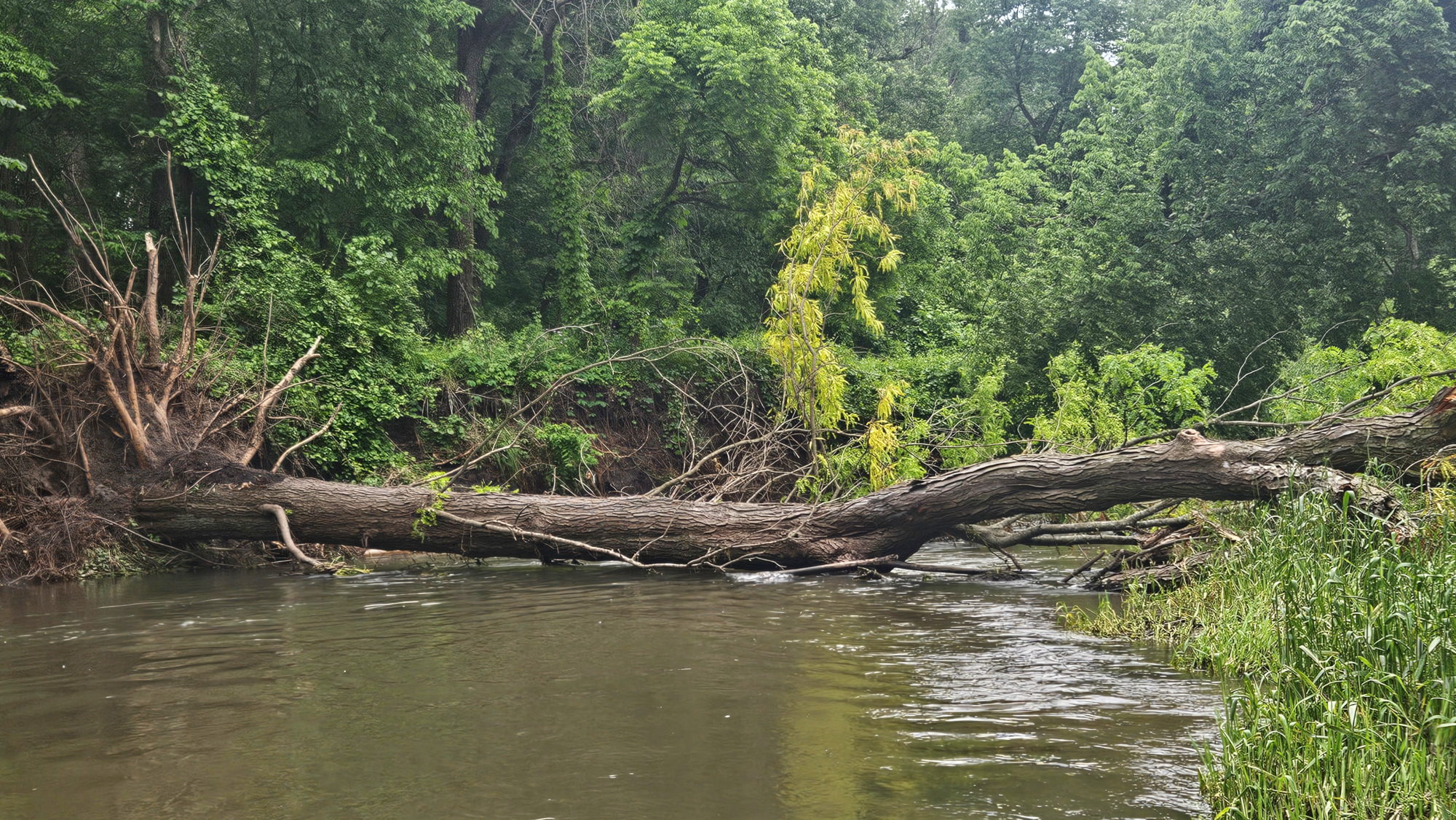
Suddenly, your weekend of fun turns to frustration, leaving you stranded and stuck:
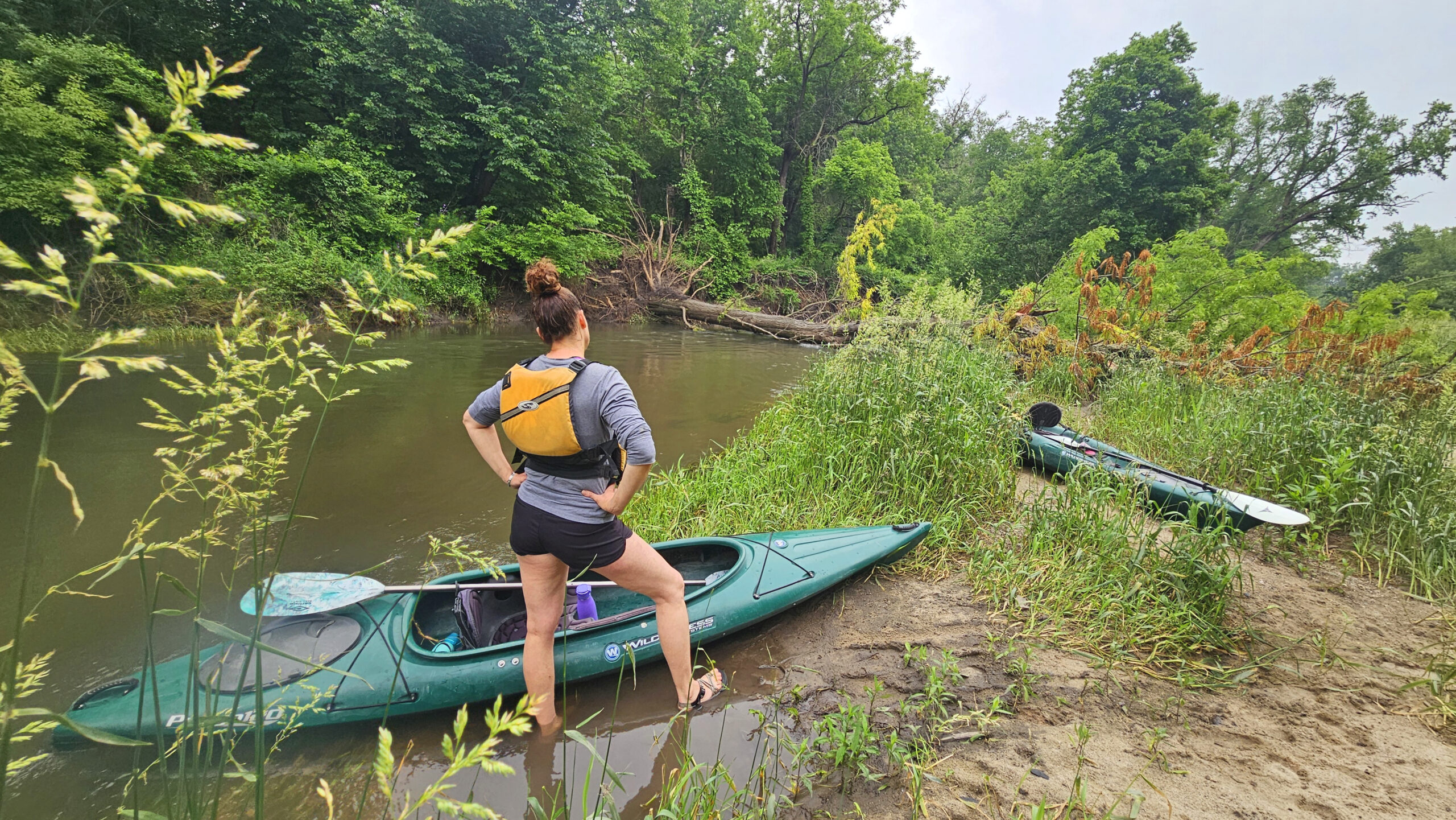
Trail Trimmers™ will make situations like this a thing of the past. By sprucing up hiking trails, campsites, and popular waterways used for outdoor recreation, Iowa's outdoor tourism industry will come alive, and weekends will become a whole lot more fun.
Abstract
This proposal outlines a statewide initiative to restore and enhance Iowa’s outdoor recreational infrastructure through the Civilian Restoration Corps (CRC). Trail Trimmers™ will build and maintain public trails, kayak and boating access points, restrooms, and campsites. The initiative promotes mental health, tourism, and community engagement while creating jobs and stimulating local economies. Based on national tourism trends, this program is projected to generate over $1.2 billion in economic impact over 20 years through increased travel spending, job creation, and small business growth.
Introduction
Iowa’s natural beauty is one of its greatest assets—but many of its trails, waterways, and recreational spaces remain underdeveloped or inaccessible. Trail Trimmers™ will change that. This CRC team will work with local governments, conservation groups, and accessibility advocates to:
- Build and restore hiking, biking, and equestrian trails
- Install ADA-compliant ramps, restrooms, and signage
- Create kayak and boating access points along rivers and lakes
- Beautify parks and campsites with native landscaping and edible gardens
These improvements will make Iowa’s outdoors more welcoming, inclusive, and economically productive.
Mental Health and Community Benefits
Outdoor recreation is proven to reduce stress, anxiety, and depression. Studies show that spending time in nature improves cognitive function and emotional well-being (Bratman et al., 2019). By expanding access to trails and green spaces, Trail Trimmers™ will support public health while fostering community pride and stewardship.
Economic Impact Projections
Tourism is a major economic driver in states with robust outdoor infrastructure. For example:
- California generated over $150 billion in travel spending in 2023, with outdoor recreation contributing significantly (Ideas Gazette, 2024).
- Florida and New York each exceeded $100 billion in tourism revenue, driven by parks, beaches, and cultural sites (Ideas Gazette, 2024).
- Colorado saw $22.3 billion in travel spending in 2022, with trail systems and national parks as key attractions (U.S. Travel Association, 2021).
Based on these benchmarks and Iowa’s population, Trail Trimmers™ is projected to generate:
| Year | Estimated Annual Tourism Revenue | Cumulative Economic Impact |
|---|---|---|
| 2029 | $45 million | $225 million |
| 2034 | $85 million | $650 million |
| 2044 | $120 million | $1.2 billion |
These estimates include direct spending on lodging, food, gear, and transportation, as well as indirect benefits such as job creation and tax revenue (WTTC, 2024).
Accessibility and Equity
Trail Trimmers™ will prioritize accessibility by:
- Partnering with disability advocates to identify barriers
- Installing ADA-compliant features at trailheads, restrooms, and campsites
- Creating inclusive signage and sensory-friendly spaces
This ensures that all Iowans—including seniors, veterans, and disabled residents—can enjoy the outdoors safely and comfortably.
Implementation Strategy
Through the CRC, Trail Trimmers™ will:
- Train participants in trail building, landscaping, and accessibility design
- Provide CRC Vouchers for tools, materials, and meals from Iowa businesses
- Collaborate with Gardens Across Iowa!™ to plant edible landscapes
- Work with Team #2: FarmHire™ to restore rural trail systems and campsites
- Coordinate with Team #5: Apartment Improvers™ to install restrooms and solar lighting at trailheads
These cross-team partnerships ensure efficient use of resources and statewide coverage.
Counterarguments and Responses
Counterargument 1: Outdoor infrastructure is a luxury, not a necessity. Response: Outdoor access improves mental health, boosts tourism, and supports small businesses. It’s an investment in public health and economic resilience.
Counterargument 2: Iowa’s terrain isn’t suited for outdoor tourism. Response: Iowa’s rivers, prairies, and woodlands offer unique beauty and biodiversity. With proper infrastructure, these landscapes can rival top destinations.
Counterargument 3: Maintenance costs will outweigh benefits. Response: CRC labor and community partnerships reduce costs. Tourism revenue and local pride will sustain long-term upkeep.
Broader Impact
Trail Trimmers™ will:
- Create hundreds of jobs in construction, landscaping, and hospitality
- Increase tourism revenue and small business growth
- Improve mental health and community engagement
- Make Iowa a national leader in inclusive outdoor recreation
- Support environmental restoration and native biodiversity
Conclusion
Trail Trimmers™ is more than a beautification project—it’s a blueprint for economic growth, public health, and environmental stewardship. By investing in Iowa’s outdoor infrastructure, we can create lasting benefits for residents and visitors alike. With startup funding provided through the Sensible Housing Act and implementation by the Civilian Restoration Corps, this initiative is ready to roll.
Like this plan?
You can make it happen!
Help Sondra get Elected
Thank you for your support!

Photo of Sondra. Spring 2025.
References
Bratman, G. N., Anderson, C. B., Berman, M. G., Cochran, B., de Vries, S., Flanders, J., ... & Daily, G. C. (2019). Nature and mental health: An ecosystem service perspective. Science Advances, 5(7), eaax0903.
Ideas Gazette. (2024, February 2). Tourism revenue by state: Exploring the economic impact of travel.
U.S. Travel Association. (2021, July 9). State-level economic impact.
WTTC. (2024). Travel & tourism economic impact research.